Menu



When a loved one passes away, taking on the responsibility of settling their estate can feel overwhelming. At Campbell Law Firm, our probate attorney guides personal representatives, trustees, and beneficiaries through Washington’s probate and estate administration process with clarity, efficiency, and professional care.
Led by a probate attorney with an advanced Master of Laws (LL.M.) in Taxation and a background in accounting, our firm provides a distinct level of financial oversight. We don't just process standard court filings; we actively protect personal representatives from fiduciary liability, oversee estate tax compliance, and ensure assets are distributed correctly. From our office in Anacortes, we focus exclusively on helping families navigate administration within Skagit, Island, and San Juan Counties, providing the dedicated local focus needed to resolve local estate matters smoothly.
At Campbell Law Firm, we handle the full legal and administrative spectrum of estate resolution, allowing personal representatives to fulfill their duties without administrative friction. We guide families through opening and administering Washington probate estates, from traditional court-supervised proceedings to streamlined small estate affidavit procedures where available. Our role centers on comprehensive operational oversight: we advise you step-by-step on fiduciary decision-making, oversee asset gathering and complex title transfers for real property and family homes, manage the statutory creditor notice and resolution windows, and coordinate the orderly wrap-up of nonprobate transfers, trusts, and spousal community property agreements.
Because estate wrap-ups involve an intersection of legal rules and financial deadlines, we provide distinct oversight for the estate’s fiscal obligations. We review and organize the administrative data required to generate transparent fiduciary accountings, structure clear distribution roadmaps and liability releases for beneficiaries, and provide strategic tax coordination. By working hand-in-hand with your existing CPA or outside tax professionals, we ensure all final personal and fiduciary filings are precisely aligned. For out-of-state families or executors dealing with a decedent who owned real estate locally in Washington, we also manage local ancillary probates, and should an unexpected conflict appear among heirs or claimants, we provide firm direction to protect the estate's integrity.
In Washington, assets are divided into two categories: those that pass through probate and those that transfer outside of it. Probate assets typically include property titled solely in the decedent’s name without a designated payable-on-death or transfer-on-death beneficiary. Conversely, nonprobate assets bypass the court process entirely; these may include trust property, accounts or insurance policies with named beneficiaries, joint assets held with survivorship rights, and community property governed by a valid community property agreement. We work closely with you to review the estate, identify which assets require formal court authority, and determine which will transfer automatically by contract or title.
Because Washington is a community property state, how an asset is characterized—whether as community or separate property—profoundly impacts who inherits it, what documentation is required, and how legal title is transferred. We carefully review marital history, existing property agreements, and asset titling to confirm ownership character, address any complex mixed-character assets, and streamline property transfers to a surviving spouse.
Probate provides a structured legal process for notifying creditors and addressing valid debts while effectively cutting off late or unsupported claims. We manage this entire framework for you—preparing and publishing the required legal notices, tracking claim submissions, and evaluating their validity. When necessary, we negotiate or reject claims as appropriate under Washington law to protect the estate’s assets and safeguard your beneficiaries.
Serving as a personal representative means you owe a strict fiduciary duty to the estate’s heirs and creditors. Your responsibilities include safeguarding physical assets, maintaining appropriate insurance, paying approved debts in the correct statutory order, keeping meticulous financial records, and filing transparent accountings before making final distributions. Because a personal representative can be held personally liable for financial missteps or unfiled tax returns, we provide comprehensive guidance, operational timelines, and customized checklists to minimize your exposure and keep the process on track.
The estate administration path varies significantly depending on the assets involved and family dynamics. You should seek experienced legal counsel if:
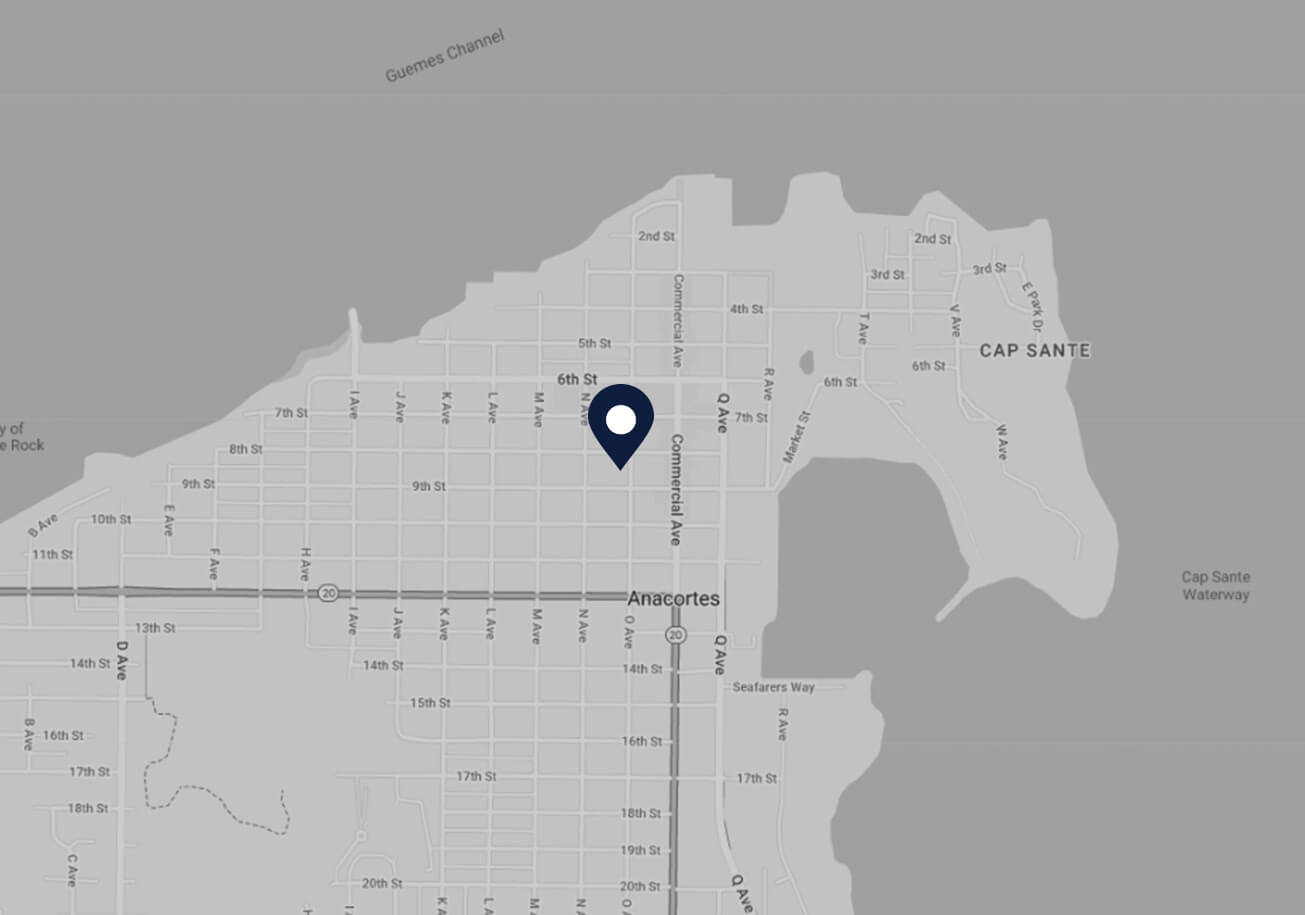
Campbell Law Firm focuses its probate and estate administration practice exclusively in Skagit, Island, and San Juan Counties. From our main office in Anacortes, we provide dedicated counsel to personal representatives navigating their fiduciary duties, beneficiaries seeking accountability, and creditors looking to legally assert or protect their claims against an estate. Our localized practice proudly serves individuals and families across our three-county region, including Oak Harbor and Coupeville on Whidbey Island, Camano Island, Friday Harbor on San Juan Island, Orcas Island, Mount Vernon, Burlington, Sedro-Woolley, and the entire Skagit Valley.
Whether you prefer an in-person appointment at our Anacortes office or the convenience of a secure virtual meeting from your home within Skagit, Island, or San Juan County, we provide seamless access to trusted regional counsel.
Contact Campbell Law Firm today to schedule your consultation and begin navigating the probate process with confidence.
© 2026 Campbell Law Firm| Disclaimer | Privacy Policy